
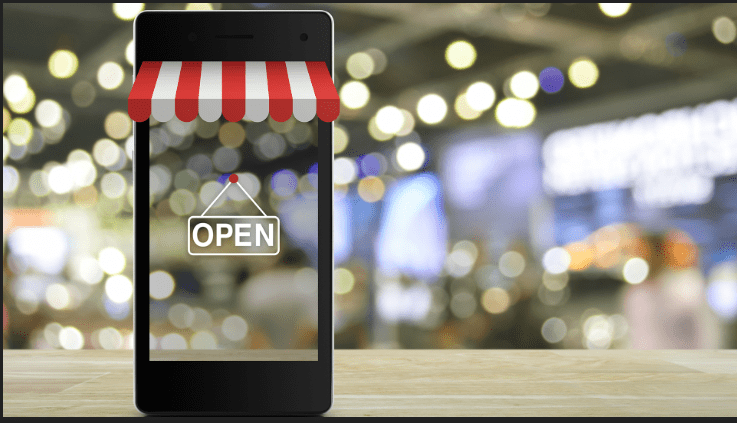
What is Brick and Mortar Retail?
Brick and mortar retail stores are businesses with a physical presence in the community that is made of brick and mortar. Today the term refers to actual stores with store clerks, inventory on the shelves, and salespeople available to assist in the consumer’s shopping experience. Brick and mortar also refer to local bank branches, storefronts, factories, and even educational institutions.
With the increased popularity of online shopping with stores like Amazon, Walmart, Suning, Apple, and JD brick and mortar, retailers struggle to compete in some industries. Brick and mortar businesses tend to have more financial overhead ranging from storefront rental costs, employee dependent retail transactions, electricity, and other utilities and insurance. While online shopping offers added convenience to the consumer and eliminates the need for many traditional business expenses, there are many less apparent advantages of brick and mortar retail stores offer the consumer. Contrary to popular belief, brick and mortar businesses outpaced the growth of their online counterparts in 2018.
Brick and mortar businesses like Costco and Sam’s Club are thriving despite the increasing popularity of online shopping. This revelation offers insight into the advantages of traditional stores offer. Many consumers have voiced their preference for brick and mortar shopping experiences online for various reasons.
How Technology is Helpful in Brick and Mortar Retail Business
Point of Sale (POS)
Inventory Management
Resources and Material Planning
 Custom Retail Software Services